Category: Uncategorized

  • Fortnite Ranked Endgame: High-Level Rotation and Zone Control Strategies

    Fortnite Ranked Endgame: High-Level Rotation and Zone Control Strategies

    Once you reach the higher ranks in Fortnite, early and mid-game fights matter less than how you manage the final circles. Most players still lose endgames because of poor rotation timing, weak zone prediction, or inefficient piece control. This guide breaks down the decision-making process used by consistent high-rank players.

    Reading the Zone and Predicting Pulls

    Top players do not treat every circle the same. They track the previous two or three zone centers and the edge distance to estimate the most likely next pull. When the zone is still large, prioritize rotating toward the side that gives you the highest chance of a favorable edge or center hold. Avoid the common mistake of rotating too early into a crowded mid-zone just to “be safe.”

    Use the storm as a tool. A late edge rotate that forces opponents to burn mats or take storm damage often creates cleaner fights than fighting for center every single time.

    Efficient Endgame Rotations

    High-level rotations rely on layered movement rather than pure box fighting across the map. Combine:

    • Low ground tunnels or natural cover when available
    • Controlled high-ground takes only when you have mat advantage
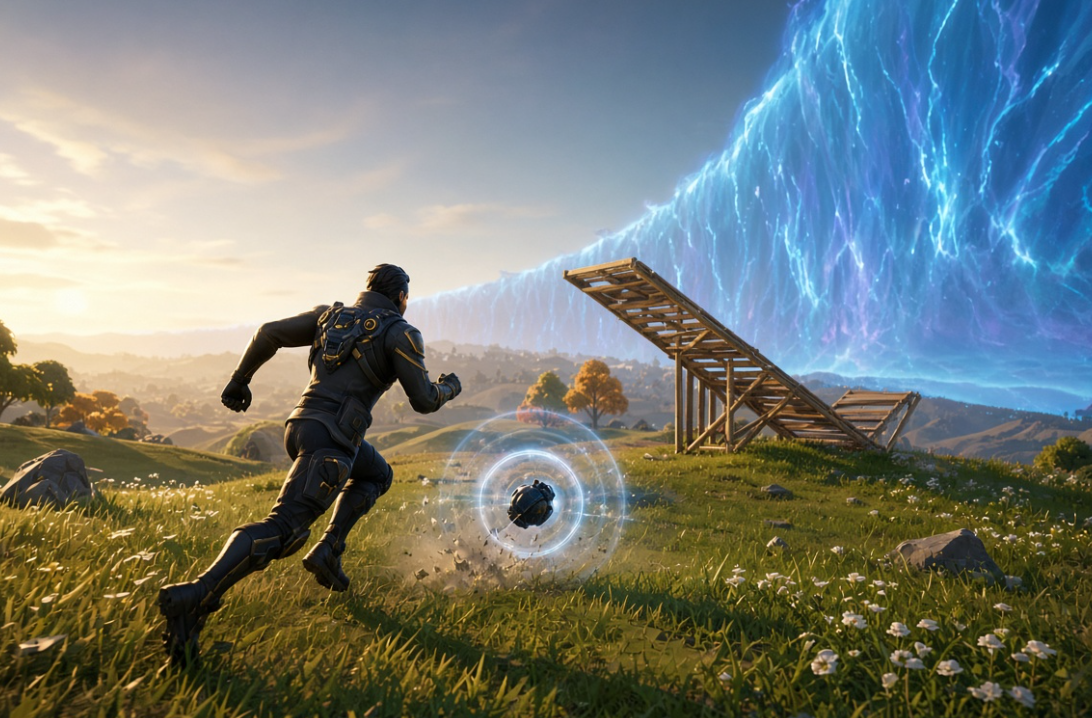
    • Shockwave or other mobility items to skip dangerous open space
    The key is tempo. Moving too fast without information leaves you exposed; moving too slow lets third parties collapse. Practice rotating in creative maps that simulate late-game zone pulls so the decision becomes automatic under pressure.

    Piece Control and Layer Management

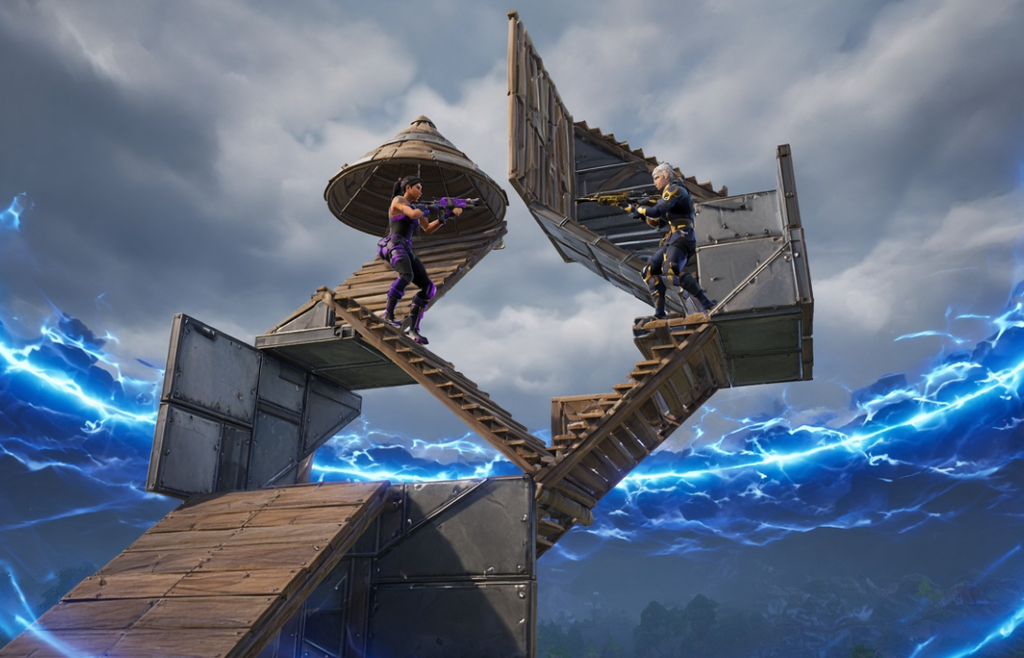
    In stacked endgames, pure building speed is secondary to piece control and layer denial. Focus on:

    • Claiming the first layer of a height fight before committing to full cones
    • Using stair edits and window peeks to gather information without overexposing
    • Resetting layers when you lose mat advantage instead of forcing a bad retake

    Many players still overbuild in the final circles. The better approach is selective pressure: force the opponent to spend mats while you conserve yours for the true final zone.

    Loadout and Utility Priorities for Late Game

    By the final circles your inventory should be optimized for survival and information:

    • One strong AR or SMG for close-mid range
    • Shotgun for box fights
    • Mobility item (Shockwave, Grappler, or equivalent)
    • Utility that creates space or reveals (Crash Pad, Port-a-Bunker, etc. depending on the current season)

    Drop unnecessary farming tools and excess heals once the zone is small. Every inventory slot that does not help you win the next two minutes is a liability.

    Training Focus for Ranked Endgames

    Dedicate specific sessions to late-game only. Use creative zone wars or private matches with friends where you start with limited mats and forced late circles. After each session review:

    • Did you rotate too early or too late?
    • Did you overcommit to height?
    • Did you track enemy mat count and third-party timing?

    Small improvements in zone reading and rotation discipline produce bigger rank gains than pure mechanical grinding at this level.

    Master these endgame habits and the same lobbies that once felt chaotic become readable and controllable.

  • Advanced Movement Tech and Positioning Strategies in Warzone Ranked Play

    Advanced Movement Tech and Positioning Strategies in Warzone Ranked Play

    Warzone ranked remains one of the most demanding environments in competitive battle royale. Once you have solid aim and basic game sense, the real gains come from refined movement, micro-positioning, and decision-making under pressure. This guide focuses on techniques that separate high-rank players from the rest of the lobby.

    Mastering Advanced Movement Mechanics

    Slide canceling is no longer enough. Current high-level play relies on a combination of tactical sprint cancels, jump-shot timing, and controlled bunny-hopping to break camera tracking. Practice chaining a tac-sprint into a slide, then immediately canceling into a jump while maintaining ADS readiness. The goal is to create unpredictable vertical and horizontal movement without sacrificing accuracy.

    On larger maps, use mantle cancels and ledge peeks to gain unexpected angles. Many players still over-rely on pure sliding; mixing in short jumps and directional changes mid-strafe forces opponents to adjust their tracking constantly.

    Positioning Beyond the Circle

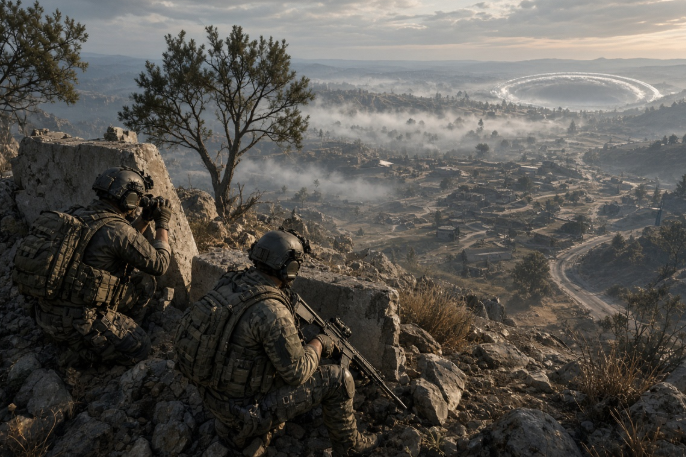
    High-rank players treat the zone as a resource rather than a restriction. Instead of rotating early every time, evaluate whether holding a power position and forcing enemies to push into your setup yields better odds. Edge holding works well when you have information advantage (UAVs, heartbeat sensors, or strong audio cues), but it becomes a liability if the next circle pulls hard toward the opposite side.

    Learn the common “dead zones” on the current map—areas that look safe but funnel players into predictable paths. Occupying the space just outside those funnels lets you third-party cleanly while remaining relatively uncontested.

    Information and Tempo Control

    Your loadout should support constant information gathering. A well-timed UAV or portable radar can dictate whether you push, hold, or reposition. Experienced players track not only enemy positions but also the timing of their utility usage. If you hear a cluster strike or see a precision airstrike, you already know the enemy team is committing resources and can exploit the temporary vulnerability.

    Tempo is equally important. Forcing a fight when the enemy is mid-reload or mid-plate is often more valuable than waiting for the “perfect” angle. Practice recognizing these small windows in custom games or private matches.

    Practical Training Routine

    Spend 15–20 minutes in the firing range or a private match working on:

    • Slide-cancel into jump-shot combinations while tracking a moving target
    • Mantle peeks from multiple elevations
    • Quick plate swaps under simulated pressure

    Then jump into ranked with a clear focus for that session (for example, only playing for third-parties or only holding edge positions). Review your deaths: most high-rank losses come from over-peeking or poor utility timing rather than pure aim difference.

    Consistent application of these movement and positioning principles produces measurable rank gains over a few weeks. The players who climb fastest treat every fight as data, not just a win or loss.