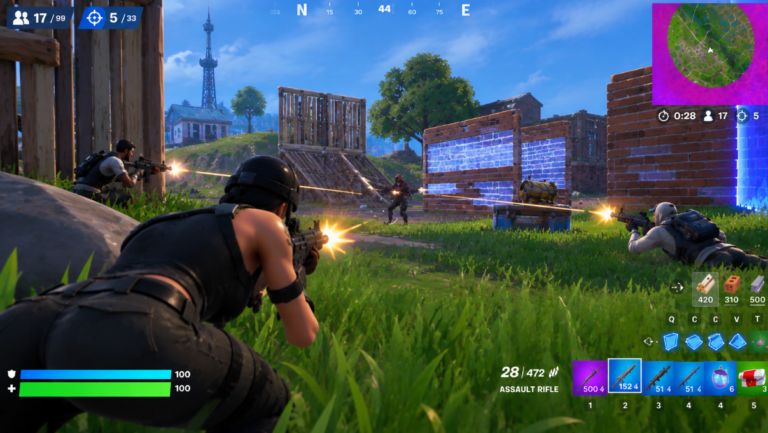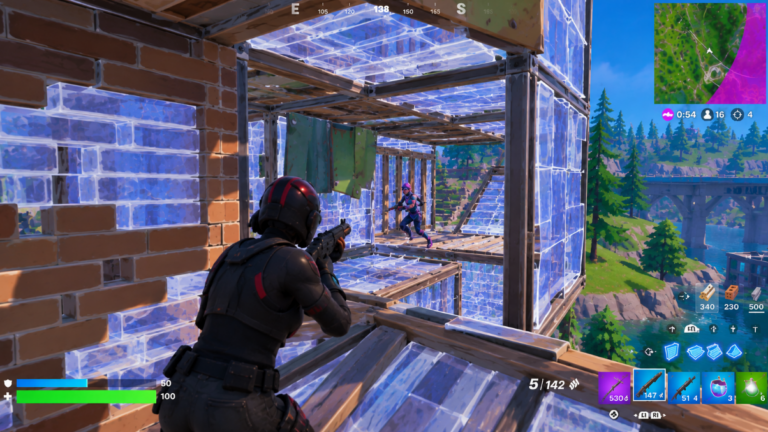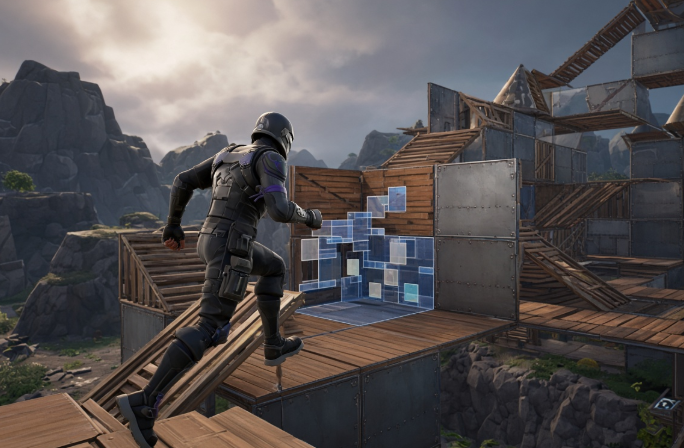
Getting to the higher ranks in Fortnite stops being about pure mechanics or memorizing the loot pool. At this point the real difference between players who keep climbing and those who stall out comes down to how deliberately they refine their movement, how clean their edits stay when things get messy, how carefully they manage materials, and whether they can keep a clear head across long sessions.
The players who stay in Elite and Unreal for more than a couple of weeks usually treat improvement like a set of habits instead of just “queue more.” This guide walks through those habits in plain language so you can actually use them.
Refining Core Mechanics Beyond the Basics
Most of us hit a wall because we keep practicing the same things the same way. Once the lobbies get tougher, the little inconsistencies you used to get away with start costing you full games. Improving at this level means practicing with real pressure in mind — fatigue, incomplete information, and the chaos of a stacked endgame.
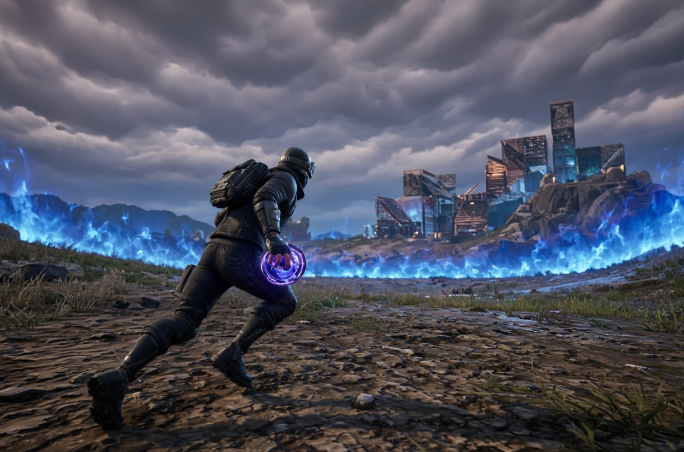
Just sitting in creative for hours without changing how you practice stops helping after a while. You need to make every mechanical action more reliable when your hands are tense and multiple people are fighting for the same space.
Editing Speed and Precision Under Fatigue
Editing feels fast and clean when you’re fresh in a creative map. It feels very different in a real endgame when your heart rate is up and your hands tighten. The gap between those two states is where a lot of players lose fights they should win. Try building short practice sessions that deliberately add fatigue: warm up normally, then keep moving, track targets, or even put on some background noise before you start editing. Focus on clean, simple edits rather than trying to look flashy.
What matters is that the edit still works when you’re under pressure. Keep a rough count of how many clean edits you hit in zone-war style scenarios. If that number drops, isolate the specific edit that’s failing and drill only that until it feels solid again.
Movement Layering and Camera Control
Good movement these days is more than slide-jumps and sprint cancels. The players who are hardest to hit layer small directional changes with camera control so their crosshair stays closer to head level while they peek or transition. That takes deliberate practice — strafing, editing, and shooting in one continuous motion instead of stopping to “set” each action.
A lot of deaths at high rank happen in the half-second when someone stops strafing or drops their camera to check an edit. Spend time in free-build maps just practicing fight movement: constant small adjustments that make you harder to track without throwing off your own aim. The goal is to make those adjustments automatic so you don’t have to think about them in the middle of a real fight.
Resource and Inventory Discipline in Ranked
Once you reach higher ranks, materials and inventory slots stop being background details and start deciding games. Players who still build like they have infinite mats or treat inventory management as an afterthought keep losing endgames they had no business losing. Getting stricter with both creates advantages that add up across rotations.
Material Economy and Selective Building
Strong players treat materials like limited currency. They don’t spam pieces just because they can. They build when it actually gives them something — information, a better angle, or a clean way to reset. Learning to roughly count how many materials an opponent has left during a fight is one of the highest-value habits you can develop. If you force someone to overbuild early, you often get to punish that later when they run low.
In endgames the priority usually shifts to saving enough for one strong reset instead of several weak layers that collapse under pressure. Building less also gives away less information, which makes it harder for third parties to pin your exact location.
Inventory Optimization by Zone Stage
Your inventory should change as the match goes on. Early game you can carry farming tools and extra heals. By the time the zone gets small, every slot needs to earn its place. A lot of high-rank players drop extra items before they are forced to, just so they have room when a Shockwave or a better shotgun appears. That small habit prevents the classic late-game problem of having a full inventory and no space for the one item that would have saved the fight.
Mental Frameworks for Sustained Ranked Performance
You can have clean mechanics and still go nowhere if your mental approach falls apart across a long session. The players who keep their rank stable are usually the ones who protect their decision-making when the lobby gets frustrating. Ignoring the mental side is one of the fastest ways to turn good mechanics into big rating swings.
Session Structure and Tilt Management
Long ranked sessions rarely help once you’re already at a decent level. Most strong players do better with focused blocks — roughly 60 to 90 minutes of ranked, then a short creative or zone-wars reset to keep their hands sharp without grinding themselves down.
When tilt starts creeping in (usually after two or three rough games), the better move is to step away instead of forcing more queues. Tilt quietly multiplies every mechanical mistake and every bad rotation. A simple habit that helps is jotting down one thing that went well, one decision you want to clean up, and one concrete adjustment for the next session. It keeps the same mistakes from repeating for days.
Decision-Making Under Incomplete Information
Ranked almost never gives you perfect information. The players who climb steadily get comfortable acting on partial data. When you hear builds or see a teammate go down, you still have to decide whether to third-party, leave, or hold.
Waiting for perfect information often costs more than making a slightly imperfect decision with what you have. When you review deaths, look specifically for the ones where you hesitated too long. Those are usually the easiest fixes once you start paying attention to them.
Practical Training Systems Used by High-Rank Players
Random creative grinding and mindless ranked queues stop producing real gains at a certain point. The players who keep improving use simple structures that isolate skills and add realistic pressure.
Daily and Weekly Focus Blocks
Spreading practice across different focuses during the week works better than doing the same thing every day. One useful pattern is: one day mainly on editing and piece control while moving, one day on late-game rotations and zone reading, one day on realistic fights with limited materials, and one lighter day for free play or watching your own games. This keeps mechanical, strategic, and mental skills moving forward together instead of letting one area race ahead while the others lag.
VOD Review Priorities
It’s easy to get stuck watching aim duels when you review your games. A more useful approach is to look first at decisions and resource use. Check whether rotations were early or late, whether you over-committed to height or materials, whether your inventory left you missing something important, and whether emotion pushed you into low-percentage fights.
Cleaning up those decision errors usually moves your rank faster than pure mechanical grinding once your mechanics are already solid. Over time, structured review turns losses into usable information instead of just frustration.
Putting It All Together
Consistent high-rank Fortnite comes from a few layered habits working together: mechanics that still work when you’re tired, disciplined use of materials and inventory, and a mental approach that keeps your decisions clean even on bad days. The players who treat improvement as a set of concrete habits, rather than just “play more,” are usually the ones still climbing while others stall.
Pick one section of this guide, run it for a full week of ranked, and only then add the next piece. Small adjustments that you actually stick with add up faster than big changes you abandon after two days.
About the Author